Don't Get Sidelined: A Guide to Navigating LA's HOA and Building Rules on Moving Day
Moving in Los Angeles is an exciting prospect. Whether you've found the perfect apartment in DTLA, a charming house in The Valley, or a new office space on the Westside, the anticipation of a new beginning is thrilling. But before you can settle in, there's a maze of logistics to navigate—and some of the biggest hurdles aren't the freeways, but the rules and regulations of your new building or Homeowners Association (HOA). Overlooking these details can lead to stressful delays, unexpected fees, and a frustrating start in your new space.
At MC Moving Service, we've seen it all. We believe in transparency and customer education, which means preparing you for every aspect of your move. This guide will walk you through the common building and HOA regulations you might encounter, so you can plan a smooth, efficient, and hassle-free relocation.
Decoding Your Building's Moving Policies
Many apartment buildings, condo complexes, and gated communities have specific rules designed to minimize disruption to other residents and protect the property. Getting a copy of these rules from your building manager or HOA board as soon as your move is confirmed is the most important first step. This simple action prevents last-minute surprises that could derail your entire schedule.
Here’s a checklist of what to look for in the moving policy documents:
- Time and Day Restrictions: Many buildings restrict moves to specific hours (e.g., 9 AM to 5 PM on weekdays) and may prohibit moving on weekends or holidays altogether. Knowing this is crucial for scheduling your movers.
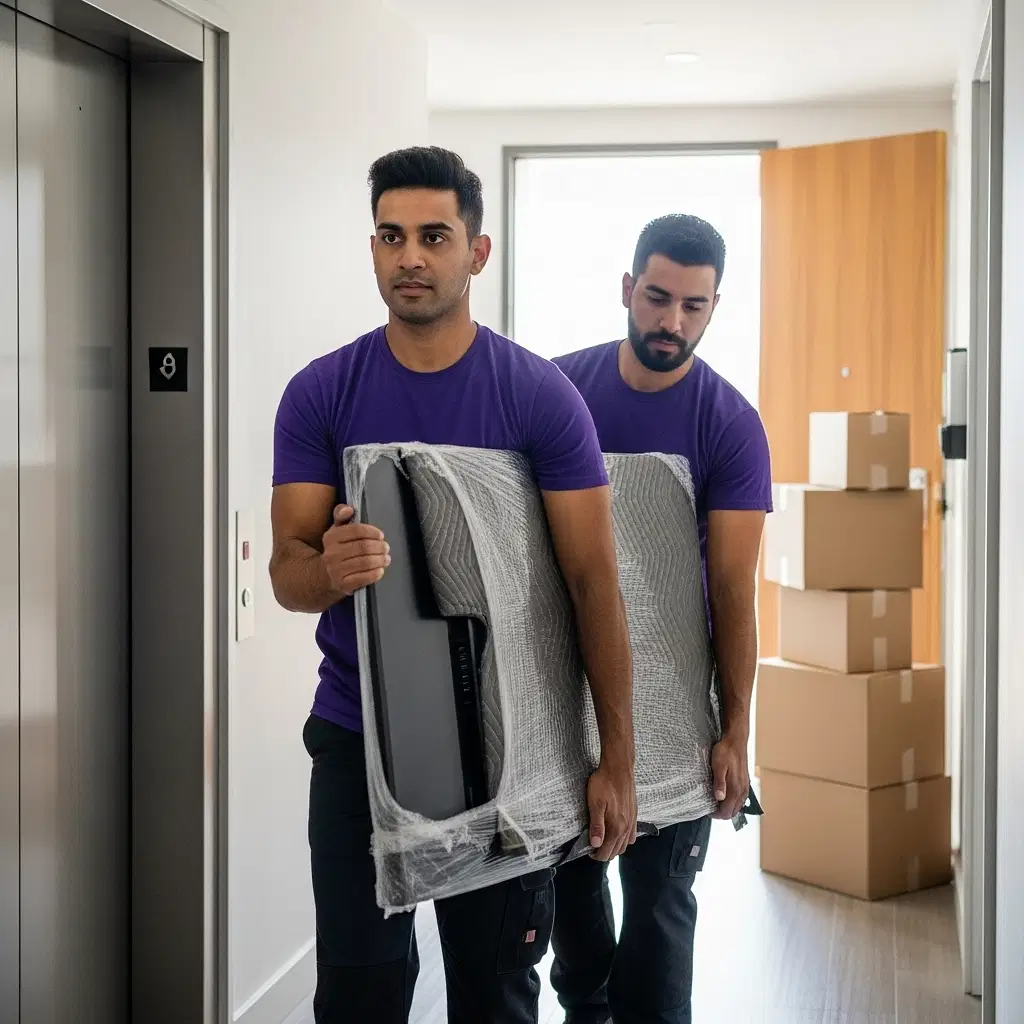
- Elevator Reservations: If you're moving into a multi-story building, you will likely need to reserve a service or freight elevator. These are often padded to prevent damage. Book this as far in advance as possible, as slots can fill up quickly, especially at the end of the month.
- Certificates of Insurance (COI): Most commercial and residential high-rises require a COI from your moving company. This document proves the movers have liability insurance. A professional moving company can provide this to your building management without issue, but it's something you need to request ahead of time.
- Deposits and Fees: Some HOAs require a refundable security deposit to cover any potential damage to common areas like hallways, lobbies, or elevators during the move. Be sure you understand the amount and the process for getting it back.
- Designated Loading/Unloading Zones: The rules will specify exactly where the moving truck can and cannot park. Following these guidelines is essential to avoid fines and ensure a smooth loading process.
Mastering LA's Parking and Permit Puzzle
Beyond your building's specific rules, you also have to contend with Los Angeles city regulations, especially when it comes to parking. Finding a spot for a large moving truck can be a challenge, and a parking ticket is an unwelcome moving day expense. This is where local expertise becomes invaluable.
In many neighborhoods, you may need to secure temporary "No Parking" signs or a moving permit from the city to reserve space for your truck. This process can vary depending on your location and requires advance planning. An experienced moving company that frequently handles apartment moving and complex residential moves will be familiar with these requirements. They can often guide you through the process or handle the logistics, ensuring your crew has a safe and legal place to park, which significantly speeds up the move and reduces stress.
Failing to plan for parking can lead to long walks for the moving crew, increasing the time and cost of your move, or even result in the inability to park close to your building at all. It's a detail that can make or break the efficiency of your day.

How a Professional Mover Makes All the Difference
Navigating this web of rules might seem overwhelming, but it's standard procedure for a seasoned moving company. This is one of the key areas where hiring professionals provides peace of mind and demonstrates its value beyond just heavy lifting. At MC Moving Service, we see managing these logistics as a core part of our service.
Here’s how we help:
- Proactive Coordination: During our pre-move consultation, we'll ask about your building's rules. We know the right questions to ask so you can gather all the necessary information from your HOA or property manager.
- Insurance and Paperwork: We handle the Certificate of Insurance (COI) for you, sending it directly to your building's management. Our team is fully licensed and insured, meeting the requirements of even the strictest buildings.
- Logistical Expertise: Our crews are experienced with the unique challenges of different LA neighborhoods. From navigating tight surface streets to understanding parking enforcement, we plan the logistics to ensure efficiency and compliance.
- Problem-Solving: If an issue arises, like a scheduling conflict with an elevator, our experienced team can help find a solution. We focus on clear communication and careful handling of your belongings, ensuring that even with strict rules, your move is a success.
This level of preparation is just as crucial for a commercial moving project, where building regulations and loading dock schedules can be even more complex.
Plan Ahead for a Seamless Move
Moving in Los Angeles doesn't have to be a battle against red tape. By understanding the rules of your new building and working with a moving partner who values preparation and transparency, you can avoid common pitfalls and focus on the excitement of your new home or office.
A little bit of planning goes a long way. Start by contacting your building management, then partner with a mover who knows how to handle the rest.
If you're planning a move in the Los Angeles area, let MC Moving Service put our expertise to work for you. We're committed to providing a smooth, stress-free experience from start to finish. Contact us today for a transparent quote and let's get you moving.